
A Birder’s Paradise
Discover the remarkable birdlife of Arizona’s Sky Islands: scenic birding hotspots, cool mountain forests, sought-after species and quiet moments surrounded by nature.
From cactus to conifers, a whole field guide on one mountain
Just an hour from Tucson, Mount Lemmon offers one of Southern Arizona’s most fascinating birdwatching experiences.
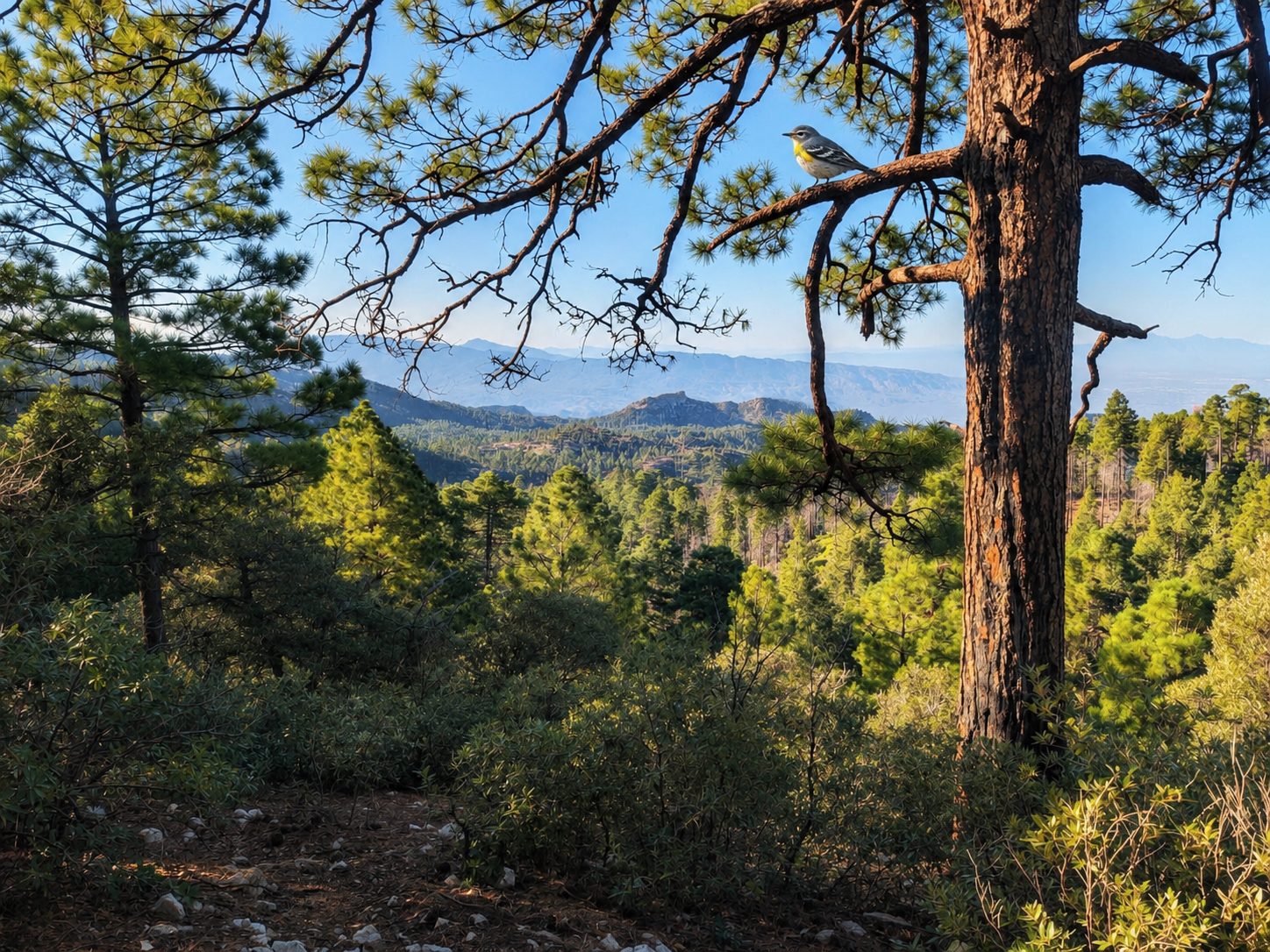
Rising from the Sonoran Desert to more than 9,000 feet, the Santa Catalina Mountains hold a remarkable range of habitats, each with its own community of birds. In a relatively short drive you can travel from cactus-covered desert slopes to oak woodlands, lush canyons and cool conifer forests, with chances along the way to spot colorful hummingbirds and woodpeckers, elusive warblers and birds rarely encountered anywhere else in the United States.
What makes Mount Lemmon especially appealing is how easy it is to reach. You don’t need to mount an expedition into the wilderness to experience its biodiversity. Many rewarding birding spots sit right off the Catalina Highway, while nearby trails lead deeper into the forest.
Whether you’re an experienced birder with a growing life list or simply enjoy watching wildlife in its natural surroundings, this three-day itinerary lets you discover the mountain at a leisurely pace, with Mount Lemmon Lodge as your home base for two memorable nights.
Download the printable birding guide
Save this itinerary to your phone or print it before you head up the mountain. Cell service is spotty on Mount Lemmon, so a saved copy goes where you do.
- The full 3-day itinerary, stop by stop
- Tap-to-check target bird list
- Fillable “My sightings” field log
- Illustrated field guide to 8 key species
Every few thousand feet, a new set of birds
As the Catalina Highway climbs, towering saguaros give way to grasslands, oak woodland and finally forests of ponderosa pine and Douglas fir. Here’s how this itinerary’s stops stack up, and who you might meet at each level.
From Desert Birds to Mountain Forests
Climb through four life zones in a single morning, then settle into the pines of Summerhaven.
Birding along the Sky Island Scenic Byway
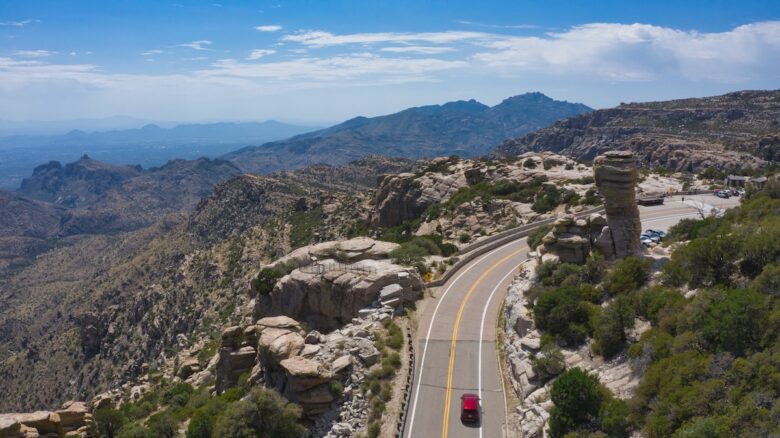
Your birdwatching adventure begins on the Catalina Highway, one of Arizona’s most remarkable scenic drives. As the road climbs through the Santa Catalina Mountains, the landscape transforms: towering saguaros gradually give way to grasslands, oak woodlands and eventually forests of ponderosa pine and Douglas fir.
For birders, these changing elevations offer an extraordinary chance to observe species from several distinct ecosystems in a single day.
-
Molino Basin
At a lower elevation along the highway, this area offers desert and foothill species. During spring and fall migration, the surrounding vegetation may draw additional species passing through.
Cactus WrenCurve-billed ThrasherGilded FlickerSparrowsRecent sightings on eBird -
Bear Canyon
Higher up, the habitat shifts to oak and pine woodland. The canyon’s trees and sheltered terrain make it especially good for morning birding.
Mexican JayHepatic TanagerPainted RedstartWoodpeckersExplore eBird hotspots

Arrive in Summerhaven
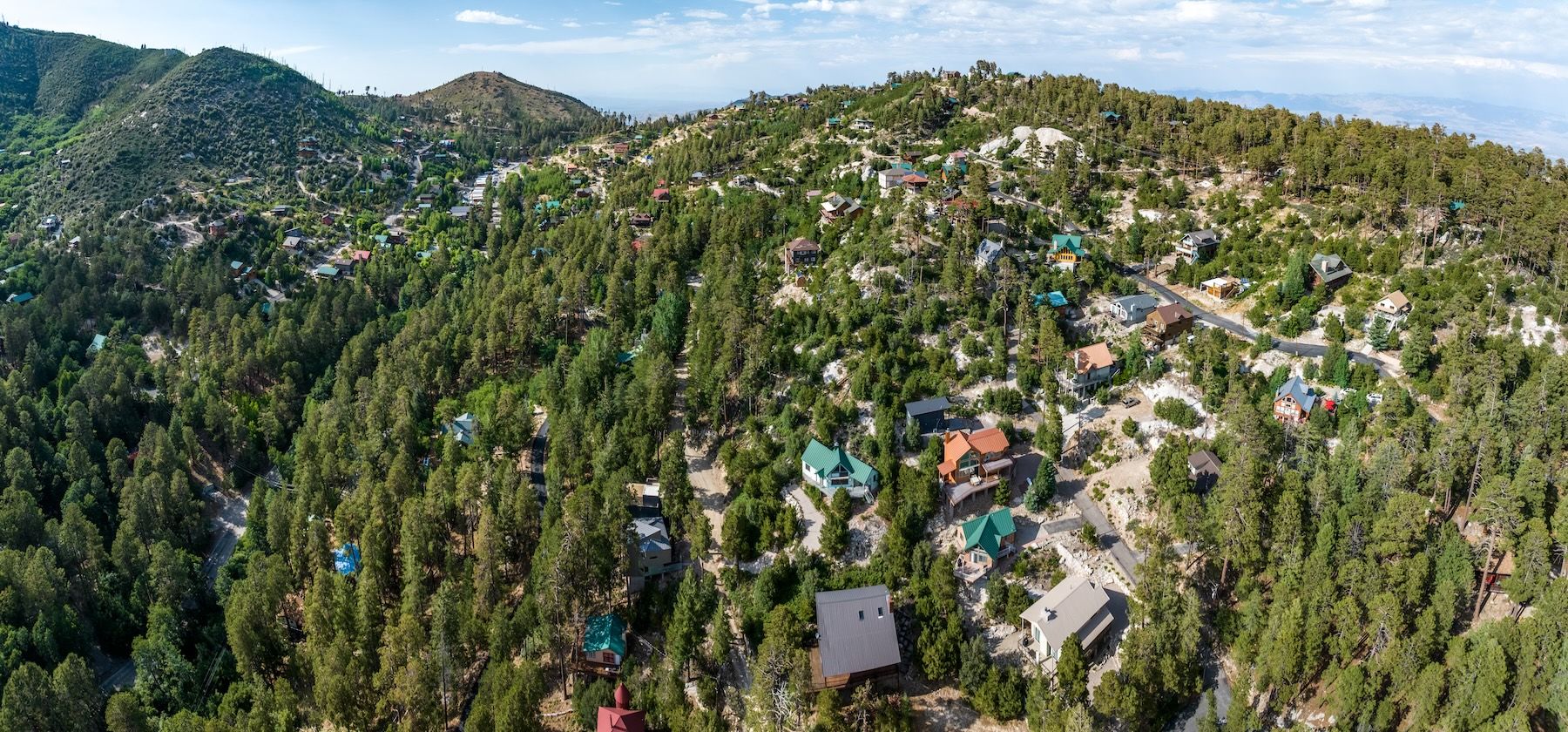
Continue to Summerhaven, the charming alpine village nestled among towering pines at about 7,700 feet. Before checking in, spend a little time exploring its quieter streets and forested edges. Even within the village you may meet Steller’s Jays, Mountain Chickadees, White-breasted Nuthatches, woodpeckers and other resident birds.
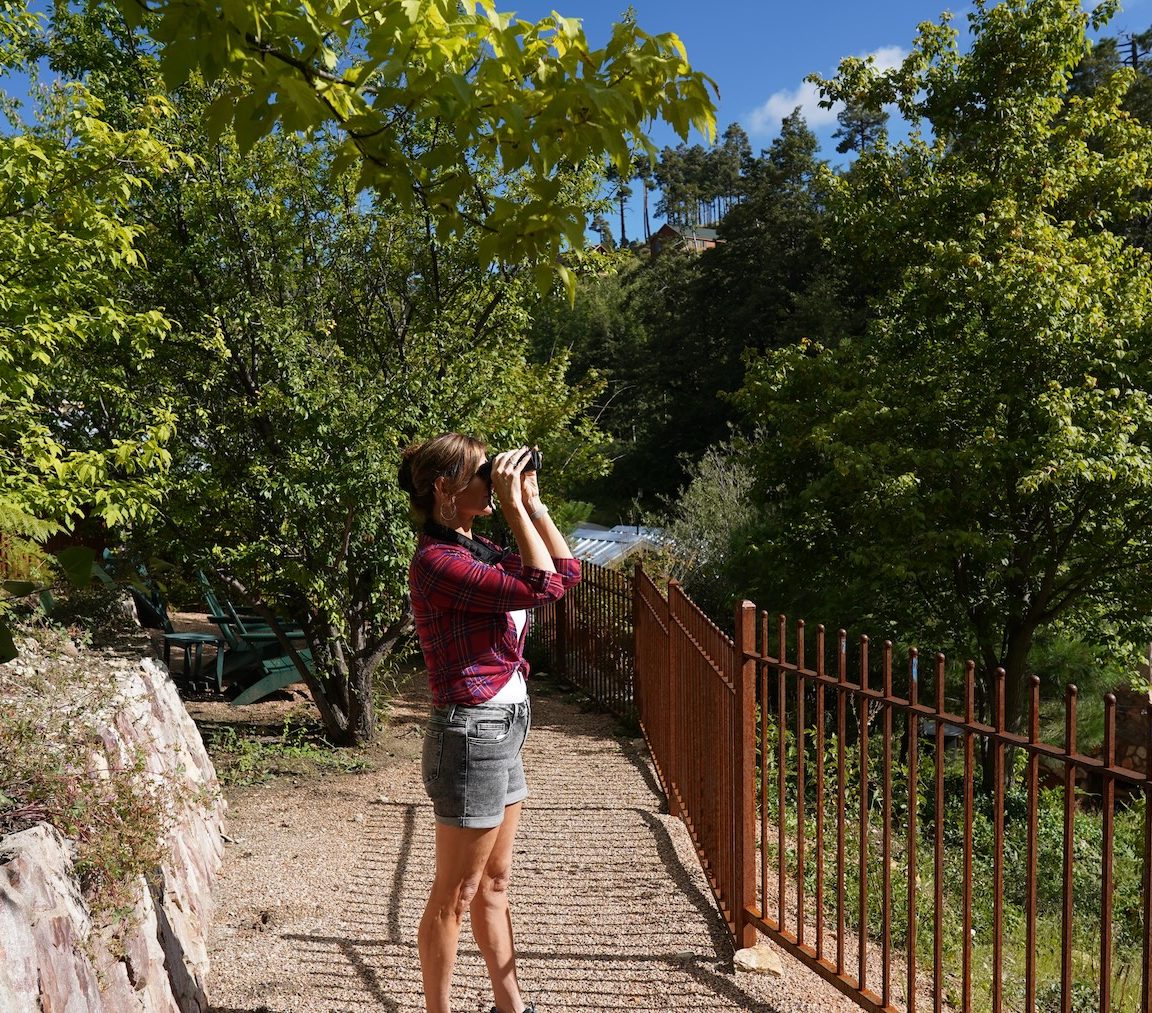
Keep your binoculars close. The mountain’s birdlife doesn’t require an organized outing or a long hike to enjoy.
After settling into your room or cabin at Mount Lemmon Lodge, relax on the terrace or wander the peaceful outdoor areas.
Relax and review your sightings
Enjoy a casual dinner at Beyond Bread, right inside Mount Lemmon Lodge, with artisan sandwiches, soups, salads and other freshly prepared dishes.
As evening falls, take a quiet walk around Summerhaven and listen for the day’s last calls as the forest settles into twilight. Back at the lodge, sort your photos, update your checklist and perhaps identify a few species you couldn’t name in the field.
Tomorrow brings some of the mountain’s most rewarding birding habitat.
In Search of Mount Lemmon’s Mountain Birds
An early start in the upper forests, a shaded canyon trail and a slow afternoon by the lake.
Explore the high-elevation forests
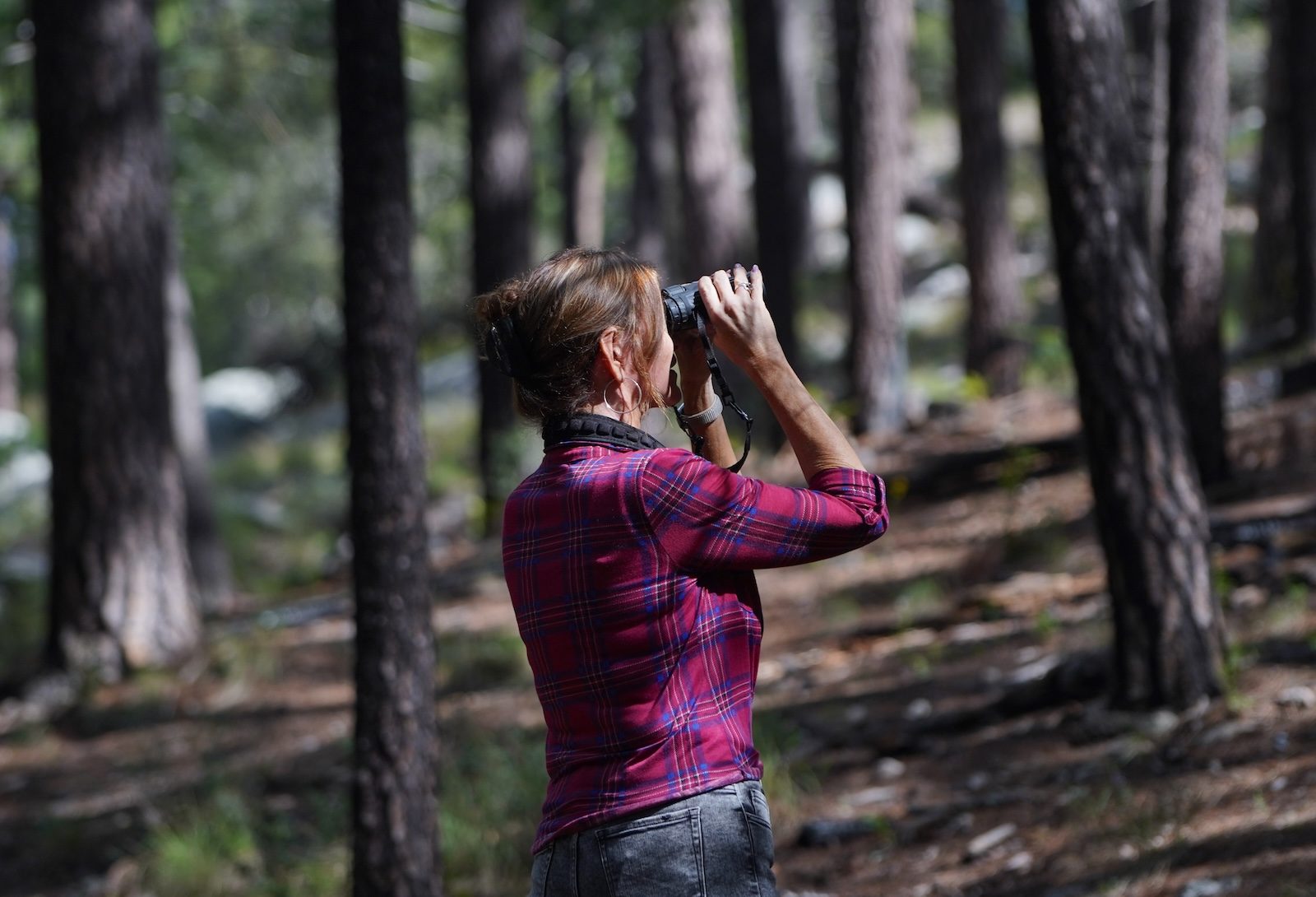
For serious birders, the early hours are often the most rewarding: birds tend to be most vocal and active shortly after sunrise. Head for one of the upper-mountain birding areas, such as the forests around Mount Bigelow or the trails near Marshall Gulch, when they’re accessible.
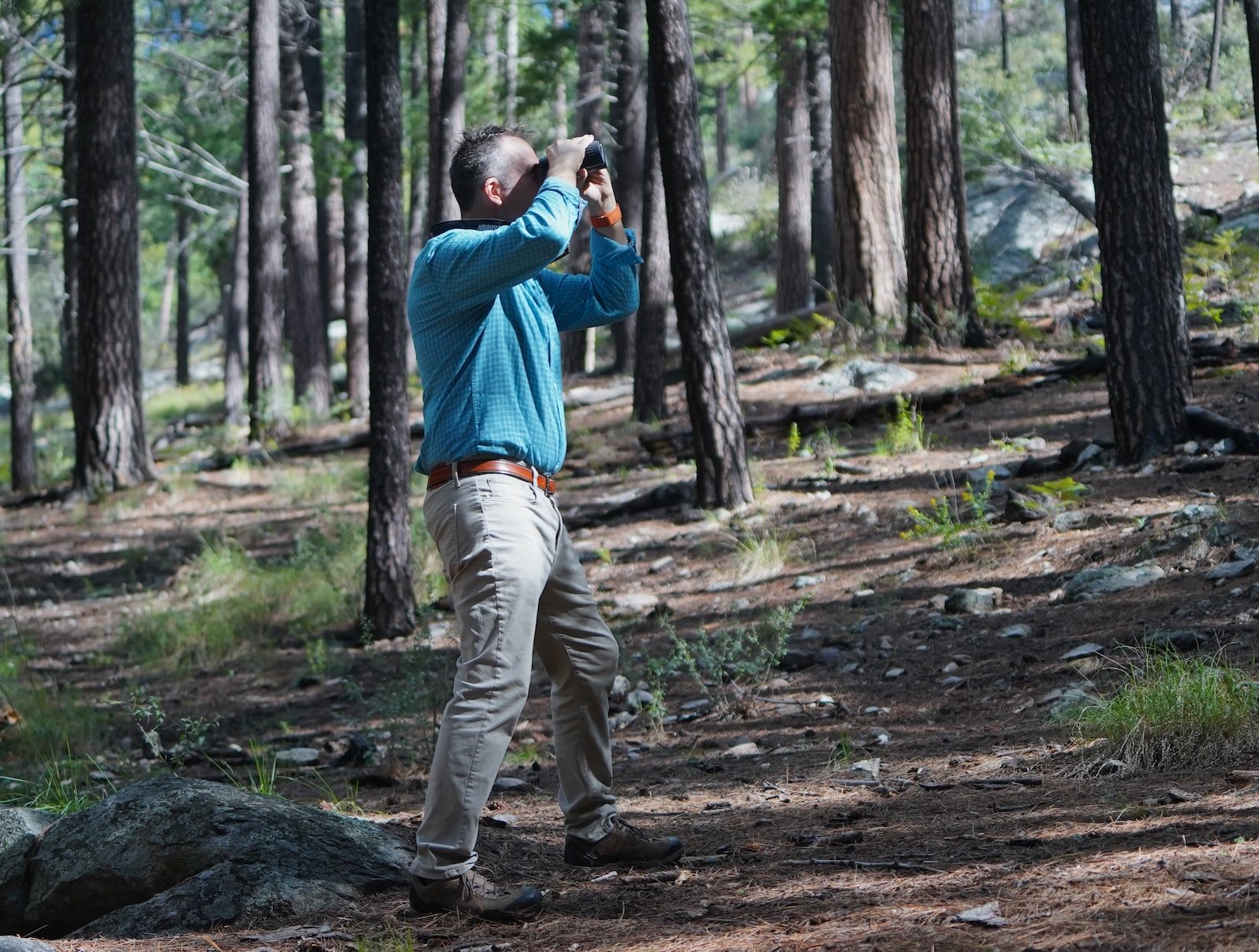
These woods are home to some of Mount Lemmon’s most sought-after species. Use the list below as your morning’s targets. Prefer paper? Download the printable PDF, which has tap-to-check boxes and a fillable sightings log.
Today’s target list
No sighting is guaranteed, which is part of what makes each one memorable.
The key is to slow down. Listen for calls, watch for movement in the branches and give the birds time to show themselves.
Marshall Gulch or another forest trail
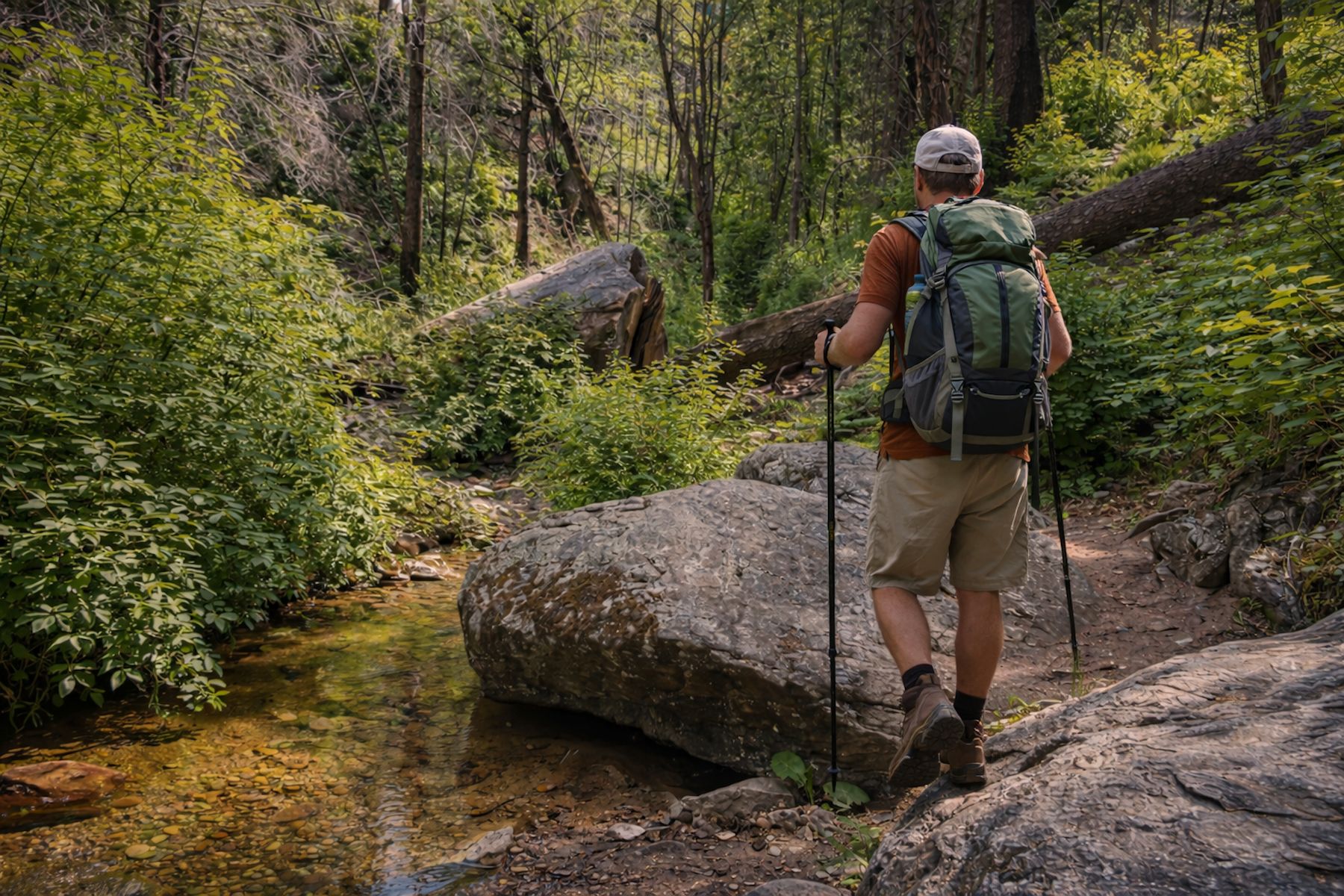
Marshall Gulch is a favorite with hikers, photographers and birdwatchers alike. When it’s open, its shaded canyon, seasonal creek and surrounding forest make a peaceful place to watch birds. That mix of water, vegetation and varied terrain can attract a wide range of species, especially in the warmer months.
If you’d like to combine birding with hiking, the surrounding trail network can easily fill several hours.
Marshall Gulch is undergoing a Forest Service improvement project, and upper-mountain gates such as Marshall Gulch Road and Bigelow Road typically close for winter. A newer public lot in Summerhaven along Sabino Canyon Park Road serves the area. If Marshall Gulch is unavailable, choose another accessible trail in the upper forests. Current Forest Service conditions.
Rose Canyon Lake and forest birding
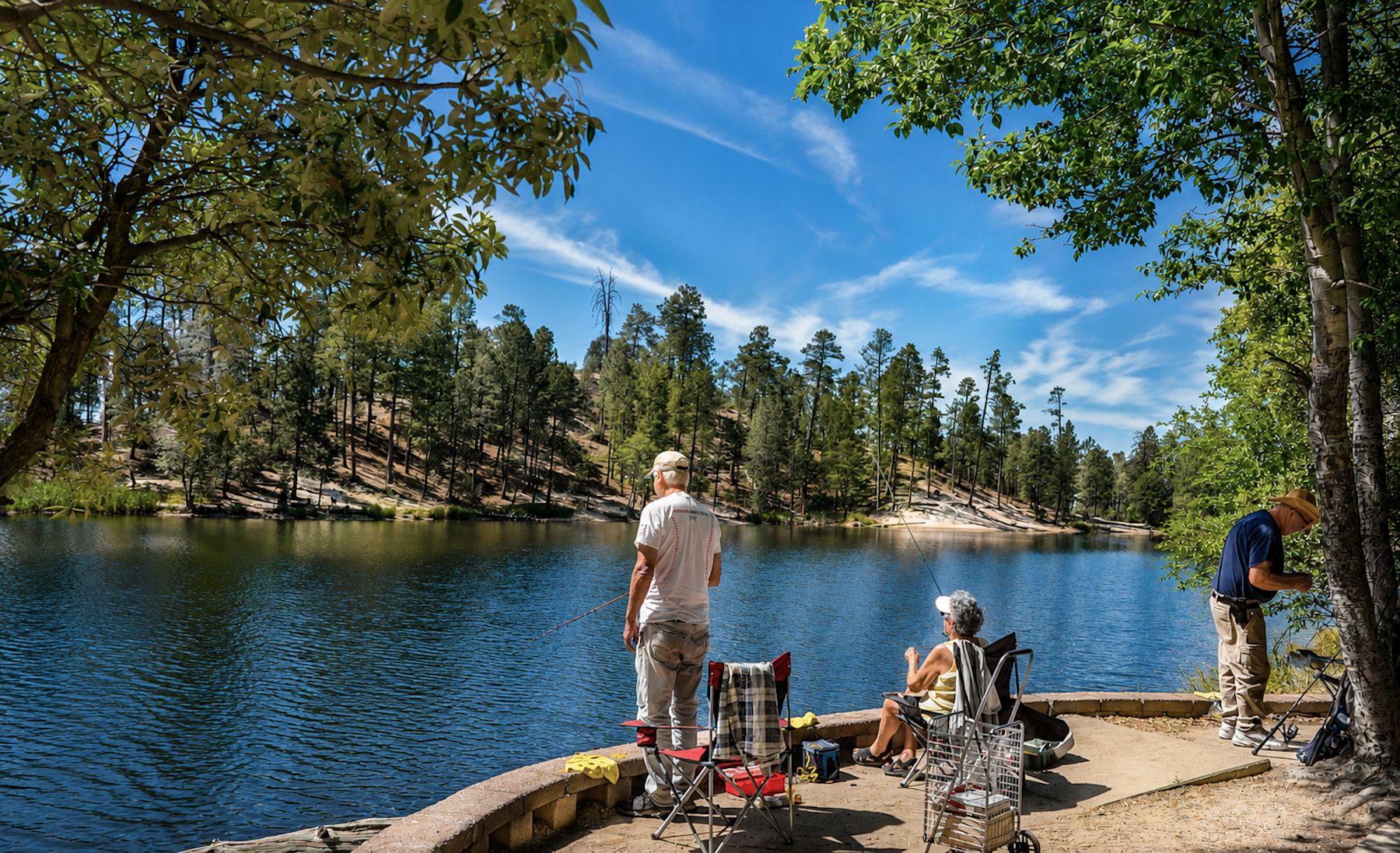
After an active morning, spend a more relaxed afternoon at Rose Canyon Lake, one of the most frequently birded hotspots on the mountain. Tucked among pine-covered slopes, it’s a lovely setting for wildlife watching, photography and an easy walk.
The lake may draw water-loving birds, but the surrounding forest is just as interesting. Watch for nuthatches creeping along trunks, woodpeckers hunting insects and small flocks of songbirds working through the branches. Depending on the season, migrating warblers, flycatchers and other passing species may turn up too.
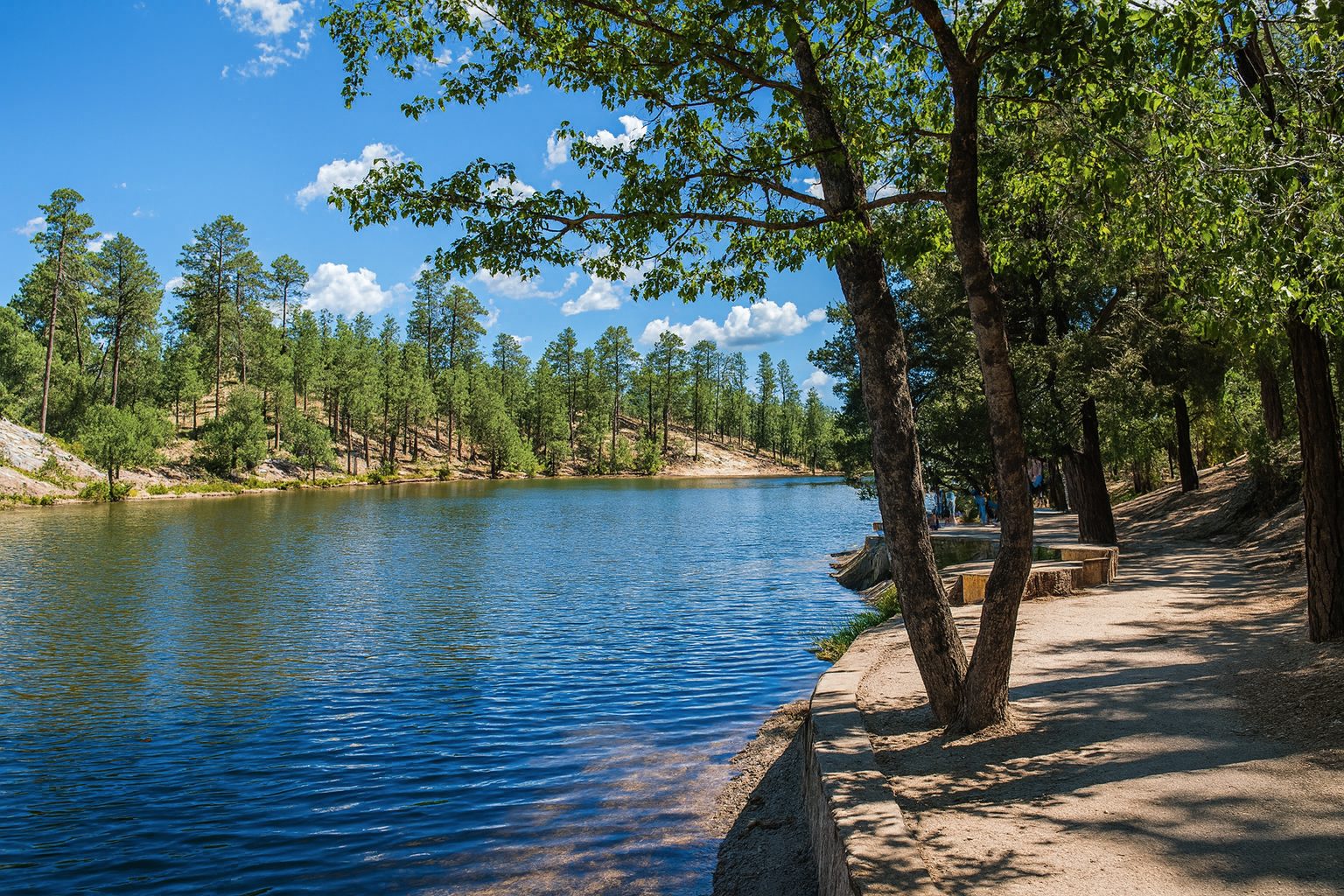
Don’t skip the walk in. Local birders often find the quieter trail down to the lake as productive as the shoreline. The recreation area is seasonal and charges a day-use fee.
Take a tour of Rose Canyon Lake
See the lake, its shoreline trail and the surrounding pines before you go.
Watch on YouTubeBring a picnic, or pick up lunch from Beyond Bread before you head out.
A peaceful mountain retreat
After a full day in the field, return to Mount Lemmon Lodge for a well-earned evening. Enjoy the terrace, unwind in the Swedish sauna when it’s available, or settle into a comfortable chair with your field guide and photos.
And with another morning on the mountain ahead, there’s still time to add a few more to your list.
One Last Morning Among the Pines
Village birding over coffee, then a slow descent through every life zone you passed on the way up.
Birdwatching around Summerhaven
Your last morning is one more chance to enjoy Mount Lemmon’s rich birdlife before heading home. Start with coffee and breakfast, then explore Summerhaven’s wooded surroundings. The village and nearby forest roads can be surprisingly productive, especially in the quiet early hours.
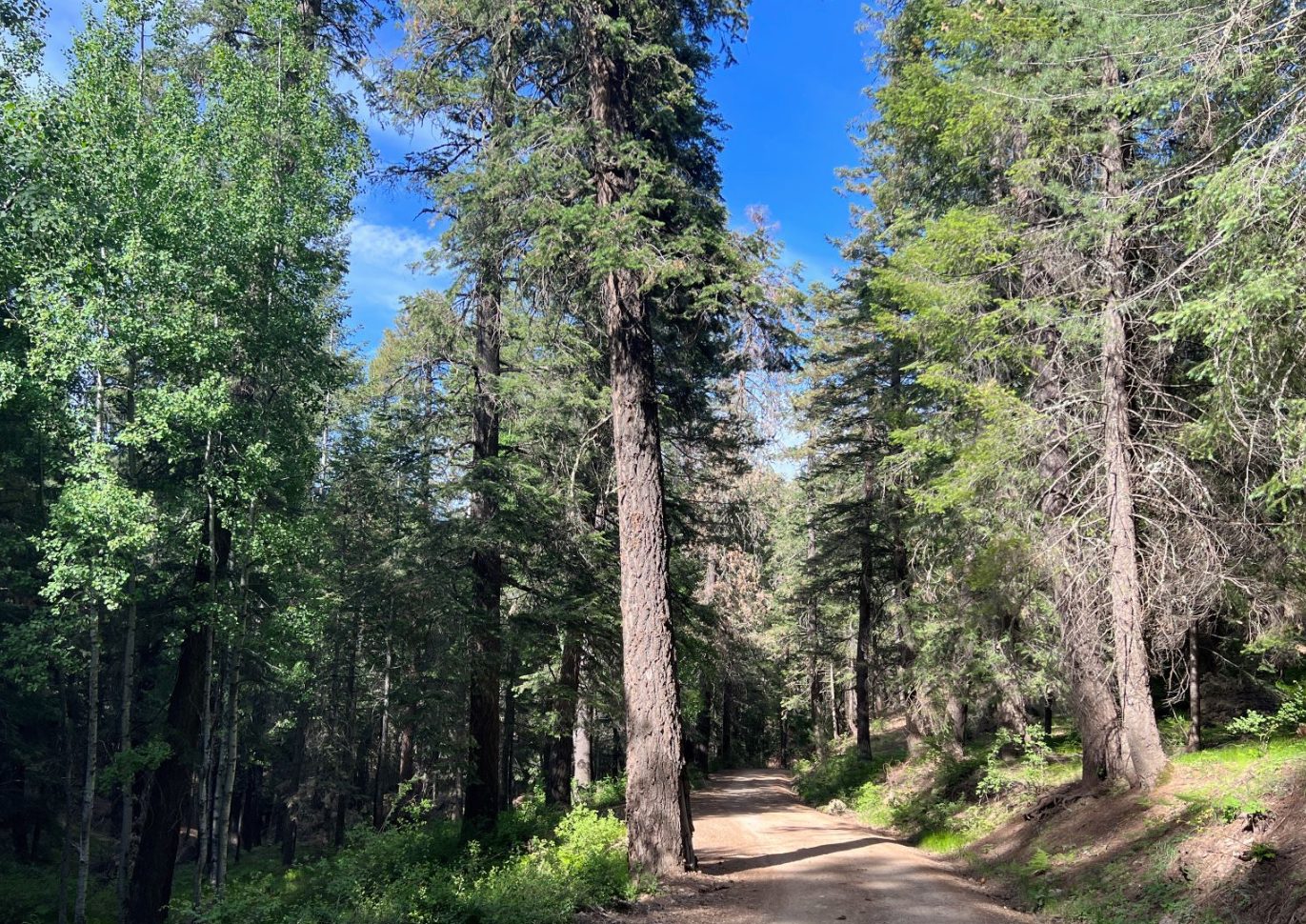
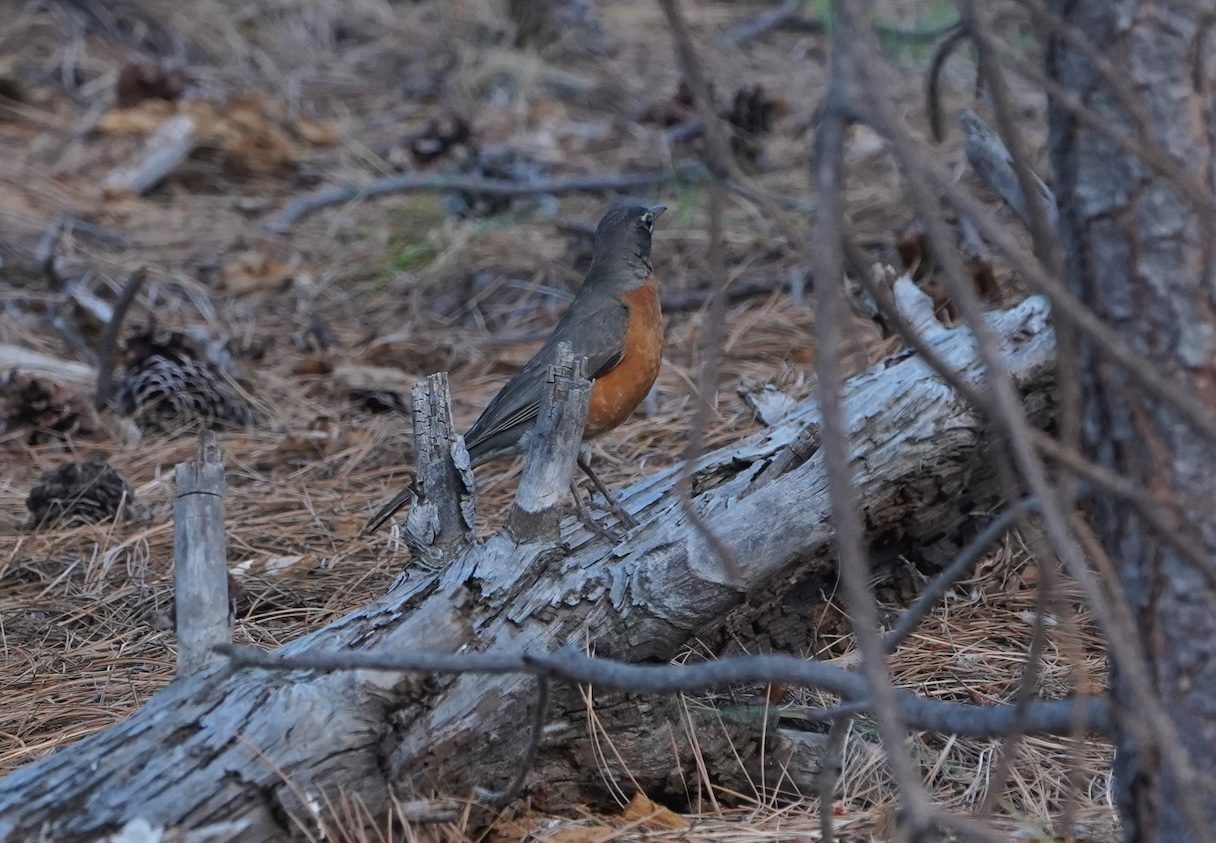
If you missed a particular species over the past two days, consider revisiting a nearby spot where you saw promising activity. Birdwatching rewards patience, and sometimes a second visit makes all the difference.
A scenic descent with a few final stops
As you head down the Catalina Highway, take advantage of the mountain’s changing habitats one last time with a few stops you passed on the way up. Because different birds favor different elevations and vegetation, the drive down can turn up species you missed on your arrival.
-
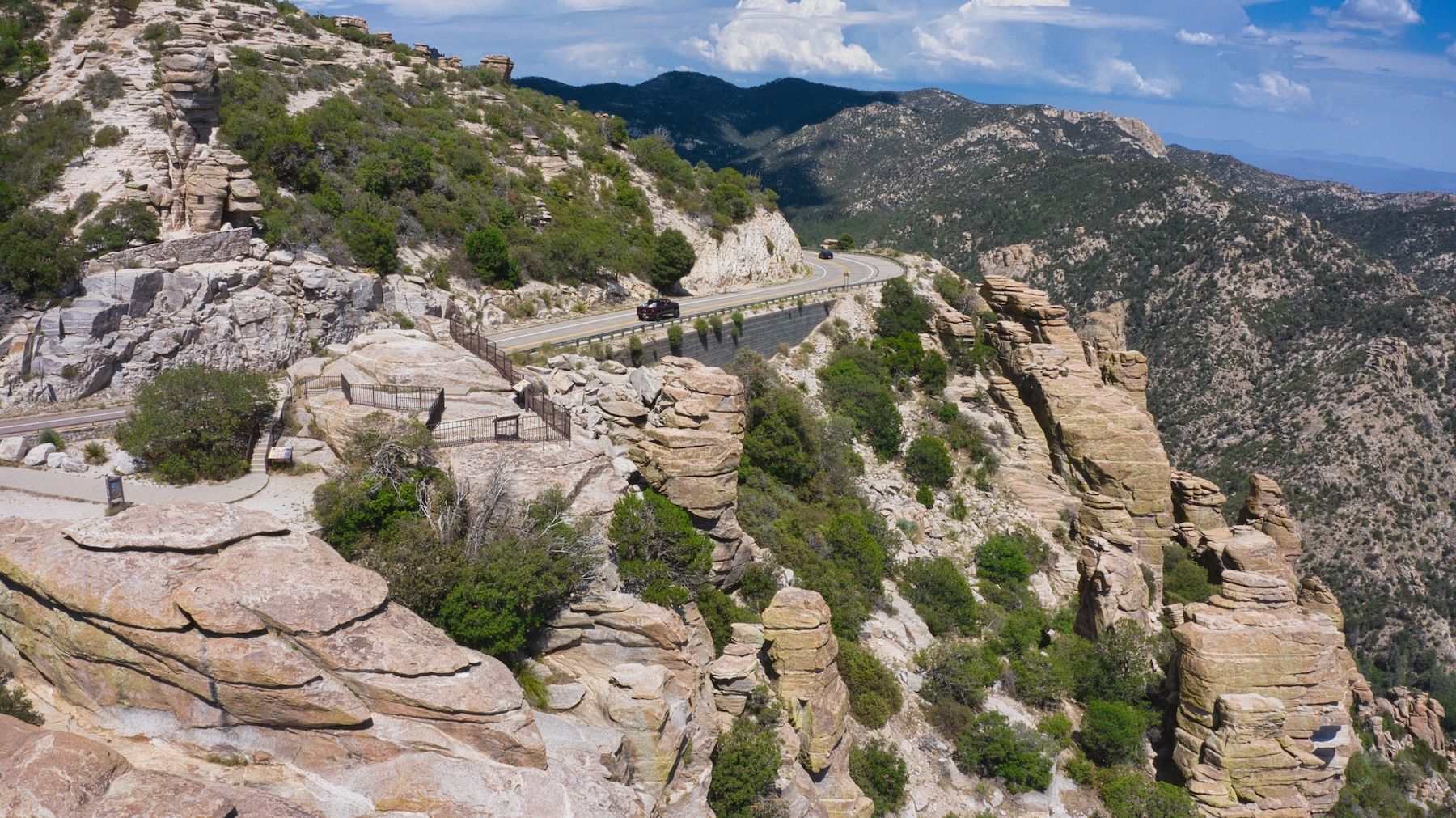
Windy Point Vista
Perhaps the mountain’s most iconic overlook, with granite hoodoos and panoramic views. Pause here to scan the sky for soaring raptors, ravens and swifts riding the updrafts.
Red-tailed HawkCommon RavenWhite-throated Swift -
Seven Cataracts Vista
A roadside pullout near milepost 9 that looks across Bear Canyon to the mouth of Willow Canyon, where the stream drops into Bear Canyon in a series of seasonal waterfalls, the Seven Cataracts, that run after heavy rain or snowmelt. Listen for wrens calling from the rocky slopes below.
Canyon WrenRock WrenRecent sightings on eBird -
Gordon Hirabayashi Recreation Site
The site of a historic WWII prison camp at milepost 7, now a favorite with local birding groups. Its scrub oak woodland holds species you won’t find higher up. A day-use fee or interagency pass is required.
Woodhouse’s Scrub-JayBushtitScott’s OrioleRecent sightings on eBird -
Babad Do’ag Vista
One of the first overlooks above Tucson, with saguaro-dotted slopes and sweeping desert views. It’s a fitting last stop to look for desert species before you reach the city.
Black-throated SparrowVerdinPhainopepla
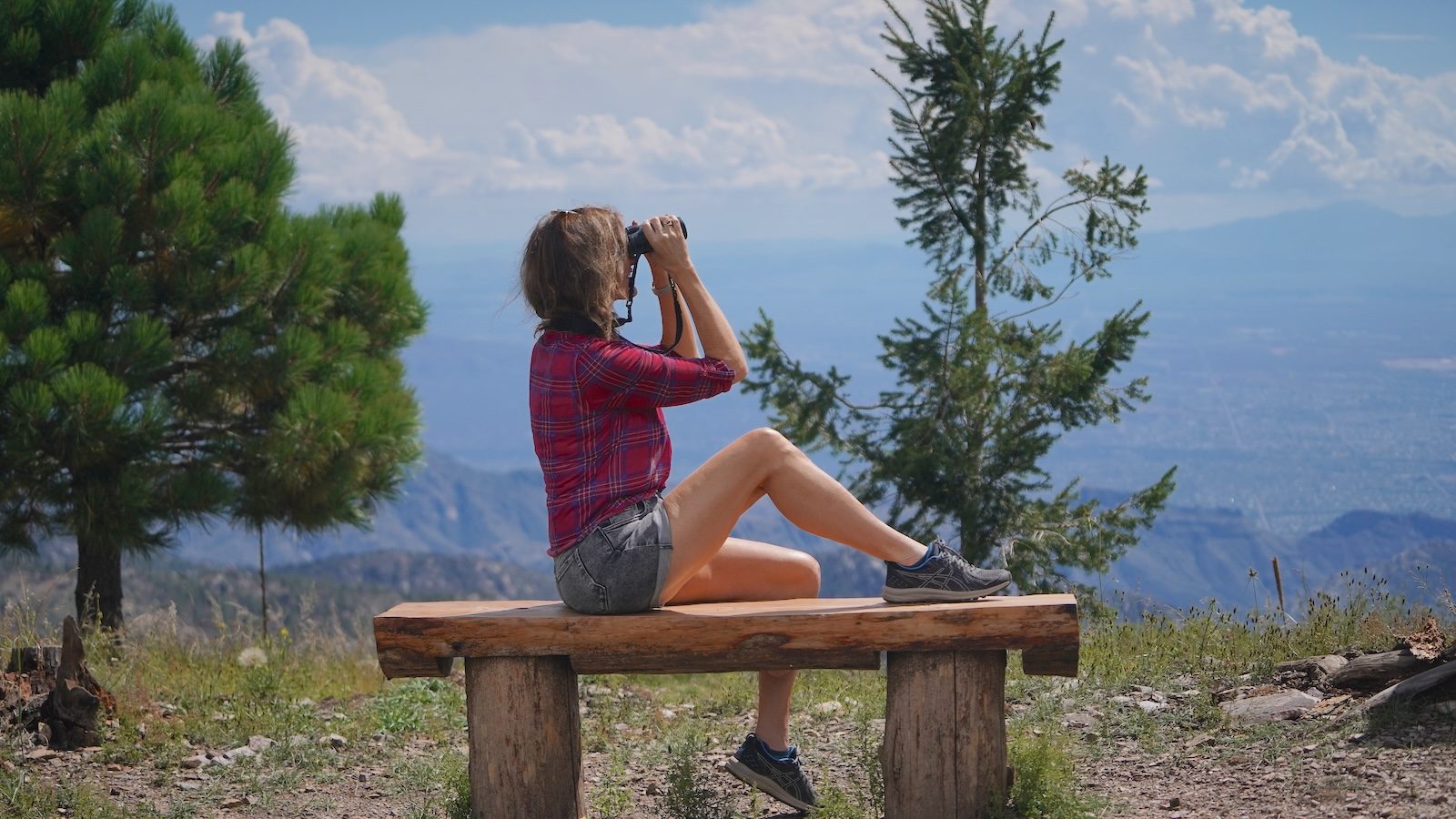
By the time you reach Tucson, you’ll have passed through several distinct ecosystems and experienced one of the Southwest’s most fascinating birding destinations. Chances are, your list of birds to find next time will already be growing.
Birds of Mount Lemmon: species worth watching for
Part of the excitement of birding here is the diversity across the mountain’s elevations. Sightings depend on season, habitat, weather and a little luck, but these are some of the birds that make the Santa Catalinas special.
Red-faced Warbler
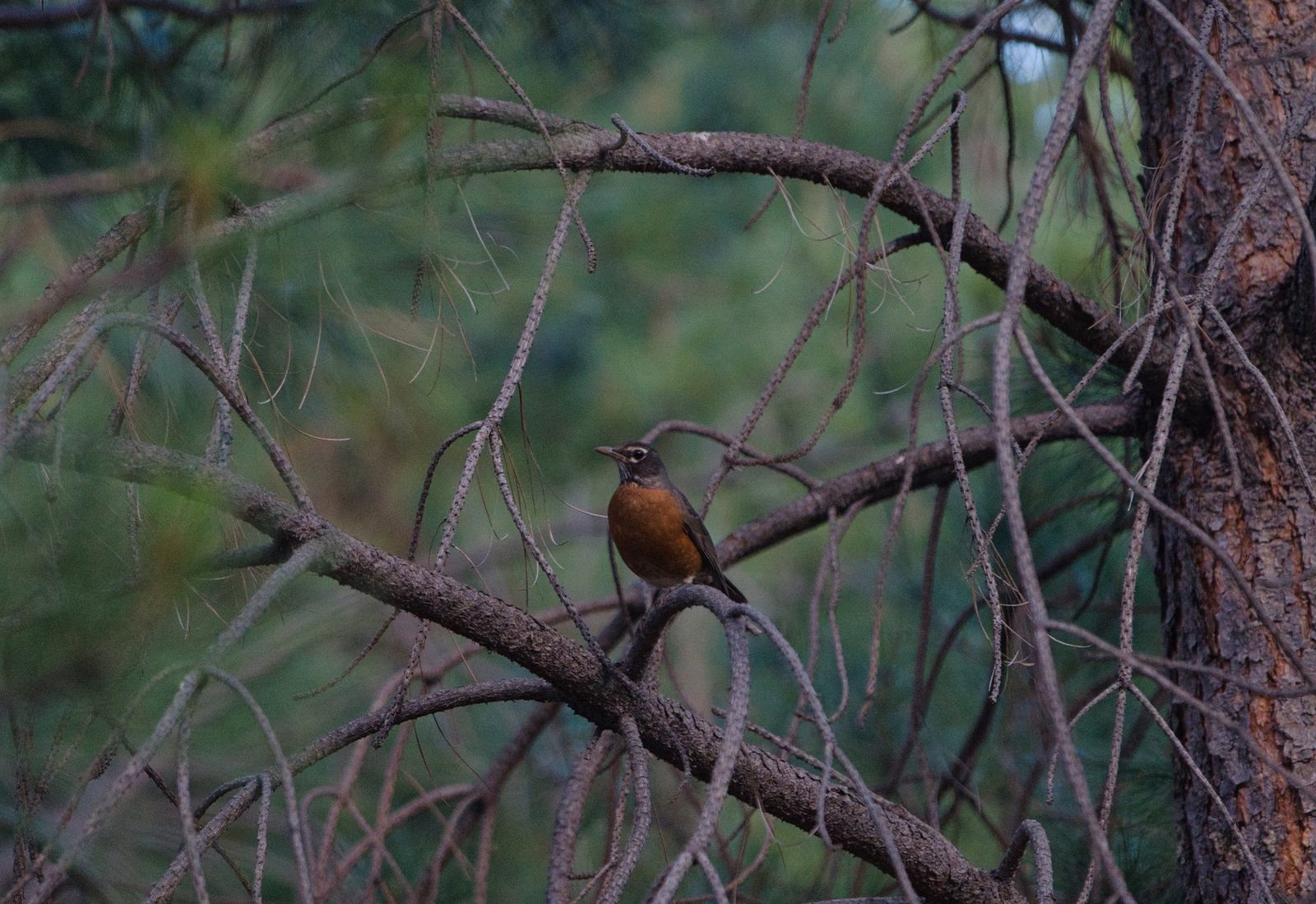
With its brilliant red face and contrasting gray body, this is among the most memorable birds of the upper forests. Primarily a spring and summer visitor.
Photos & songsPainted Redstart
One of the mountain’s most eye-catching birds, flashing bold white wing patches as it fans through the trees. Look in shaded canyons during the warmer months.
Photos & songsOlive Warbler
Despite its name, it belongs to a family all its own rather than the New World warblers. It favors conifer forests and can be tricky to spot high in the branches.
Photos & songsMexican Jay
Common in the mountain’s oak and pine woodlands, these social, inquisitive jays travel in noisy groups. You’ll often hear them long before you see them.
Photos & songsYellow-eyed Junco
A characteristic resident of the higher elevations, this ground-feeder is easy to recognize by its glaring yellow eyes and understated gray and rufous plumage.
Photos & songsGrace’s Warbler
A small, handsome warbler of the pine forests, most likely in spring and summer. Look high in the branches, where it gleans insects among the needles.
Photos & songsSteller’s Jay
With its dramatic crest and deep blue plumage, this is one of the most conspicuous residents of the conifer forests, and a regular around Summerhaven.
Photos & songsHepatic Tanager
The male’s rich, brick-red plumage makes this a rewarding find. Look in oak and pine woodland during the breeding season.
Photos & songsIllustrations are stylized field marks, not to scale. Tap any species for photos, songs and range maps from the Cornell Lab’s All About Birds.
When is the best time for birdwatching on Mount Lemmon?
The mountain offers birding all year, but the variety of species and the viewing conditions change considerably with the seasons.
Spring
Migrants arrive and breeding activity ramps up. Warblers, flycatchers such as the Cordilleran Flycatcher, and other seasonal visitors return to the forests.
Summer
Cool high elevations offer an escape from Tucson’s heat, and breeding birds stay active, especially in the morning. Monsoon storms can build quickly, so plan outings for early in the day.
Fall
Migrants pass through, the foliage turns and conditions are generally pleasant. Some summer species depart while others stop by on their way south.
Winter
Resident species remain, but snow and temporary closures can limit access up high. Lower and middle elevations still make for enjoyable birding.
Planning tips for your birdwatching getaway
Start early
Birds are usually most active in the first few hours after sunrise. Save your most important outings for the morning.
Bring binoculars
A good pair makes a tremendous difference. A field guide or an ID app like Merlin helps with unfamiliar species.
Dress in layers
Temperatures vary dramatically between Tucson and the upper mountain. Even summer mornings can be cool.
Take your time
Birding is as much listening as looking. Stop often, stay quiet and watch for movement in the trees.
Stay on trails
Protect habitat by watching from a respectful distance. Don’t disturb nests or overuse recorded calls to attract birds.
Check recent sightings
eBird shows recently reported species and the most productive local hotspots.
Verify access
Trails, recreation areas and roads can close for weather, construction or season. Check AZ 511 and the Forest Service before you go.
Go midweek
Quieter roads, trails and picnic areas make for more enjoyable birding.

Mount Lemmon Lodge, your birding base camp
For birders, location makes all the difference. Rather than driving up from Tucson each morning, staying on the mountain lets you start earlier, explore several elevation zones and enjoy the forest when day-trippers are few.
In the heart of Summerhaven at about 7,700 feet, the lodge offers 16 beautifully appointed guest rooms and four spacious private cabins for couples, solo travelers, families and small groups.
Stay elevated. Leave elevated.
Resources for your trip
Download the PDF
Checklist, field guide and sightings log for the trail.
Pima County sightings
Recent checklists, hotspot maps and rare bird alerts.
Free ID app
Identify birds by photo or sound, right on the trail.
Local field trips
Guided walks, including regular trips to Rose Canyon.
Trail conditions
Current status for Marshall Gulch and nearby trails.
Road conditions
Check the Catalina Highway before you drive up.
Plan your stay
Rooms, cabins, packages and upcoming events.
Few places pack so many habitats into such a short distance
From desert birds and oak-woodland residents to colorful warblers in the upper forests, Mount Lemmon rewards birders of every skill level. Three days gives you time to explore without rushing, revisit promising spots and soak in the beauty that makes this Sky Island so extraordinary.
Whether you’re adding new species to your life list or simply want a peaceful escape surrounded by birdsong, make Mount Lemmon Lodge your mountain home base.