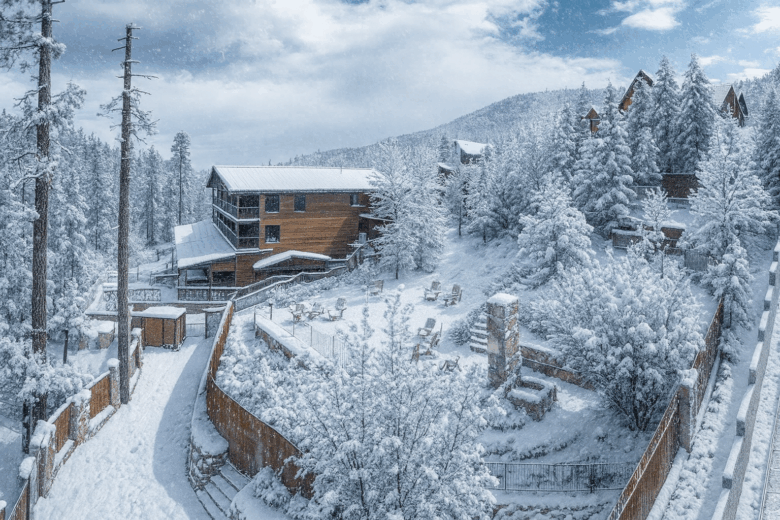

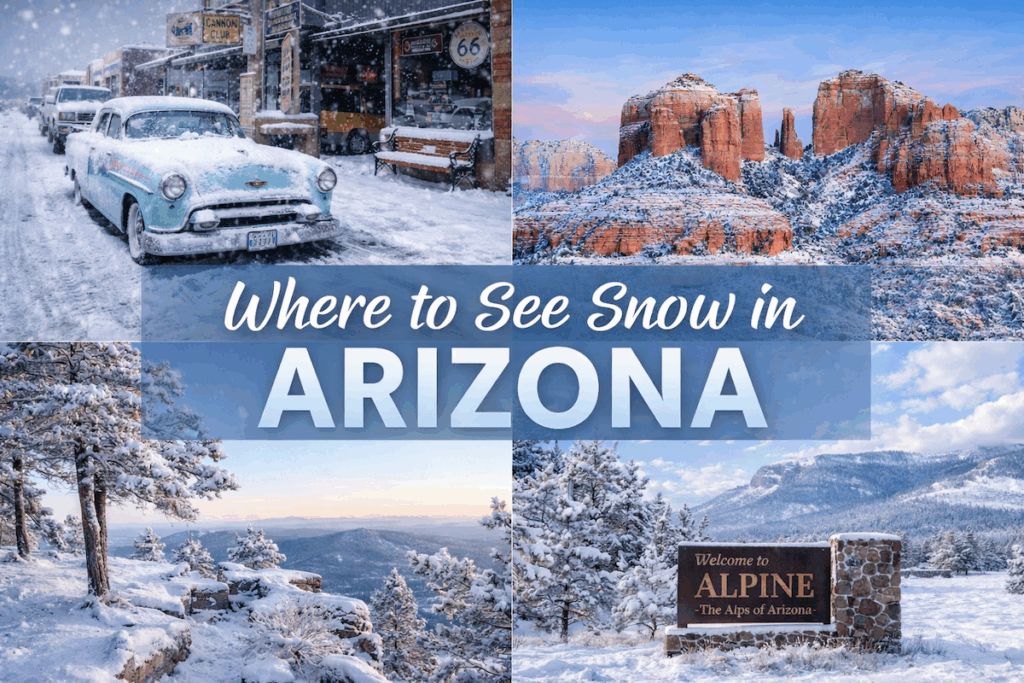
Arizona may be famous for its red rocks, desert landscapes and triple-digit summers, but winter tells a very different story. Thanks to high elevations and diverse geography, the state offers several destinations where snow is not only possible, but expected. From alpine forests to mountain towns and dramatic canyon views, here’s where to find snow in Arizona, along with where to stay, what not to miss, and when you’re most likely to see winter conditions.
Mount Lemmon (Santa Catalina Mountains)
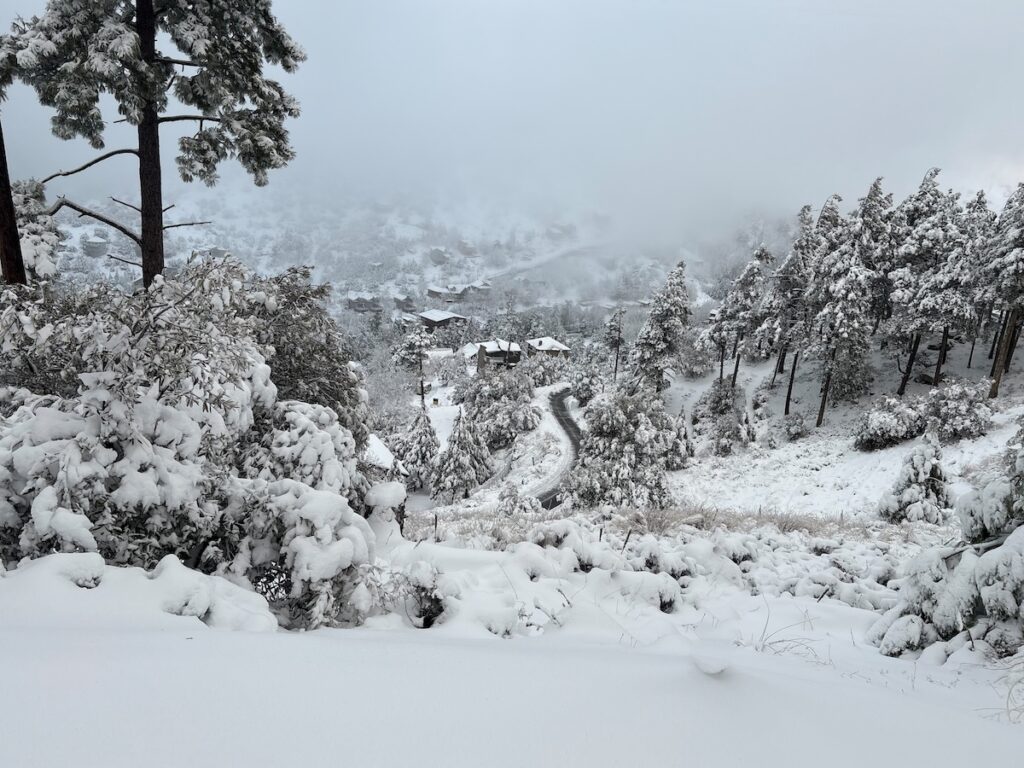
Rising from the Sonoran Desert to over 9,000 feet, Mount Lemmon offers one of the most dramatic climate shifts in North America. Winter storms regularly blanket the upper elevations in snow, often creating a true winter landscape just an hour from Tucson.
Best place to stay:
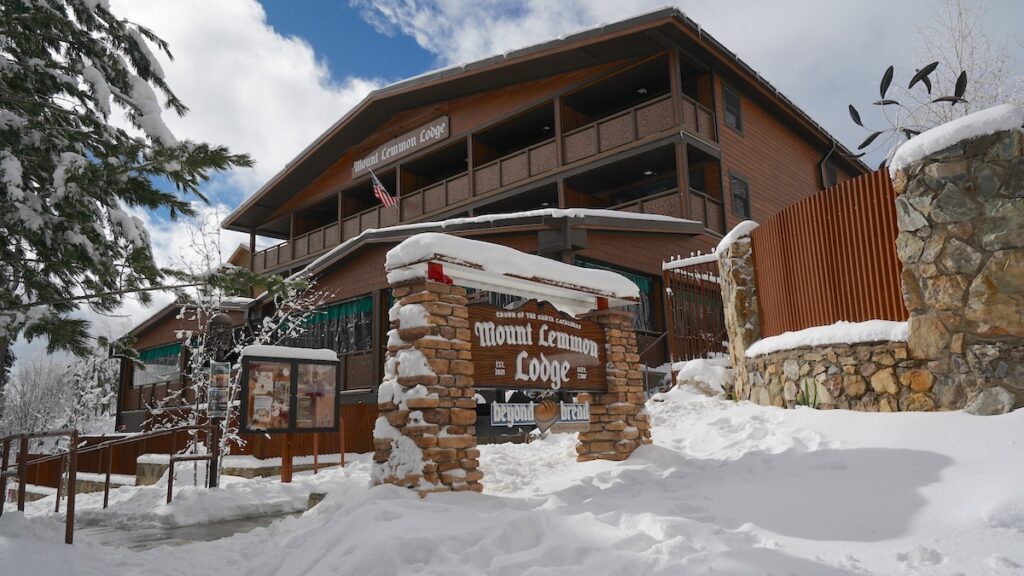
Mount Lemmon Lodge features an intimate mix of 16 guest rooms and four private cabin rentals in Summerhaven, allowing guests to stay right in the mountain village and fully enjoy Mount Lemmon’s winter atmosphere.
Don’t miss:
- Snowshoeing or winter hiking on the Aspen Loop. Snow skiing when there is enough snow.
- Sledding areas near Summerhaven.
- The scenic drive through multiple climate zones in under 30 miles.
When snow is likely:
- Typical season: December through March
- Snowfall days per year: ~20–30 days at higher elevations
- Snow can fall earlier or later depending on winter storms, and accumulations vary by elevation.
Flagstaff, Arizona
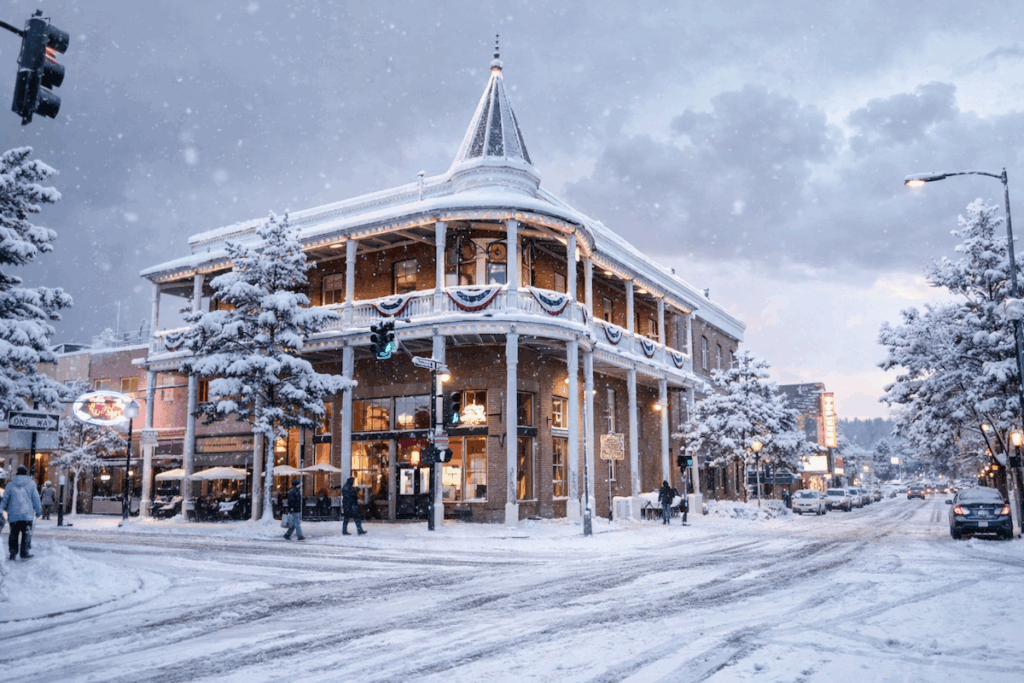
Flagstaff is Arizona’s most reliable snow destination. Sitting at just over 7,000 feet and surrounded by ponderosa pine forest, the city regularly sees snowstorms and maintains winter conditions throughout much of the season. Read this article to learn about the Top-10 Winter Activities in Flagstaff.
Best place to stay:
Little America Flagstaff is set on 500 acres of ponderosa pine forest just outside downtown, offering a quiet, lodge-style retreat that feels purpose-built for winter. With spacious rooms, on-site dining, and easy access to Arizona Snowbowl and Flagstaff’s trail systems, it’s an ideal base for snow play, skiing, or simply enjoying fresh snowfall without being in the middle of town.
Don’t miss:
- Arizona Snowbowl for skiing and snowboarding
- Snowshoeing at Buffalo Park
- Flagstaff Snow Park features the best and safest place to go sledding
When snow is likely:
- Typical season: Late November into early April
- Snowfall days per year: ~70–80 days
- Flagstaff consistently ranks among the snowiest cities in the Southwest.
Prescott, Arizona
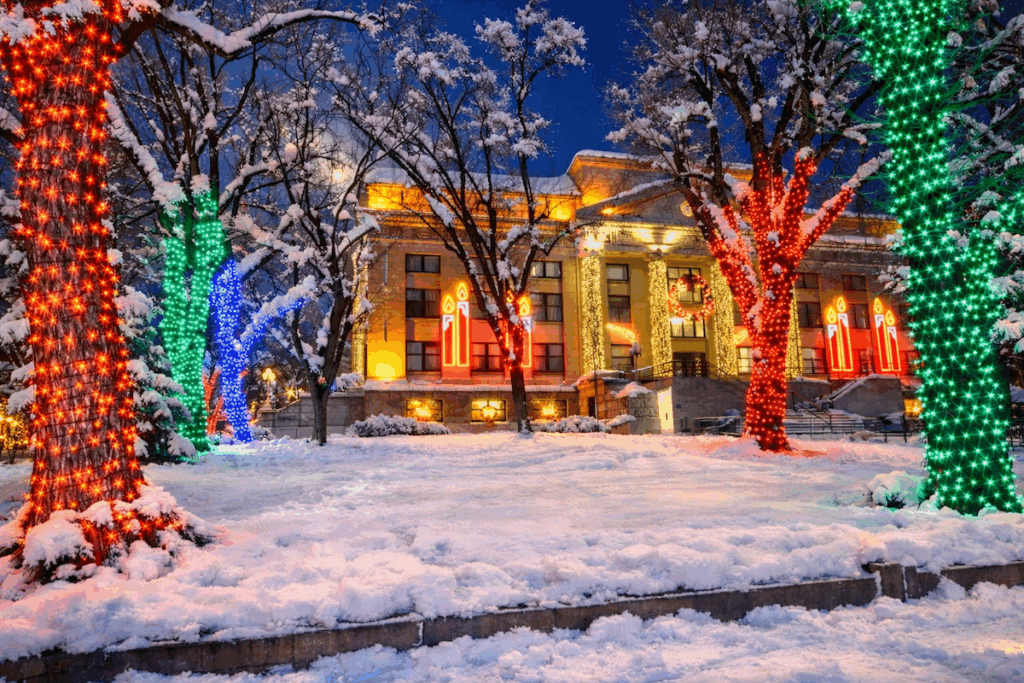
Prescott offers a perfect middle ground, higher elevation than Phoenix, but less extreme than Flagstaff. Snowfall here adds a charming winter atmosphere, especially around the historic downtown/Courthouse and surrounding granite-dotted hills.
Best place to stay:
The Hassayampa Inn is a beautifully restored 1927 boutique hotel set in the heart of the Prescott downtown historic district. Often described as a “living museum,” the inn exudes classic character, from its hand-painted lobby ceilings and vintage elevator to etched glass and embossed copper details…transporting guests back to the Roaring Twenties.
Don’t miss:
- A winter walk around Watson Lake after a snowfall
- Downtown Prescott’s historic courthouse plaza
- Forest trails in the Prescott National Forest
When snow is likely:
- Typical season: December through February
- Snowfall days per year: ~10–15 days
- Snow usually melts quickly, making Prescott ideal for light winter scenery without harsh conditions.
Williams, Arizona
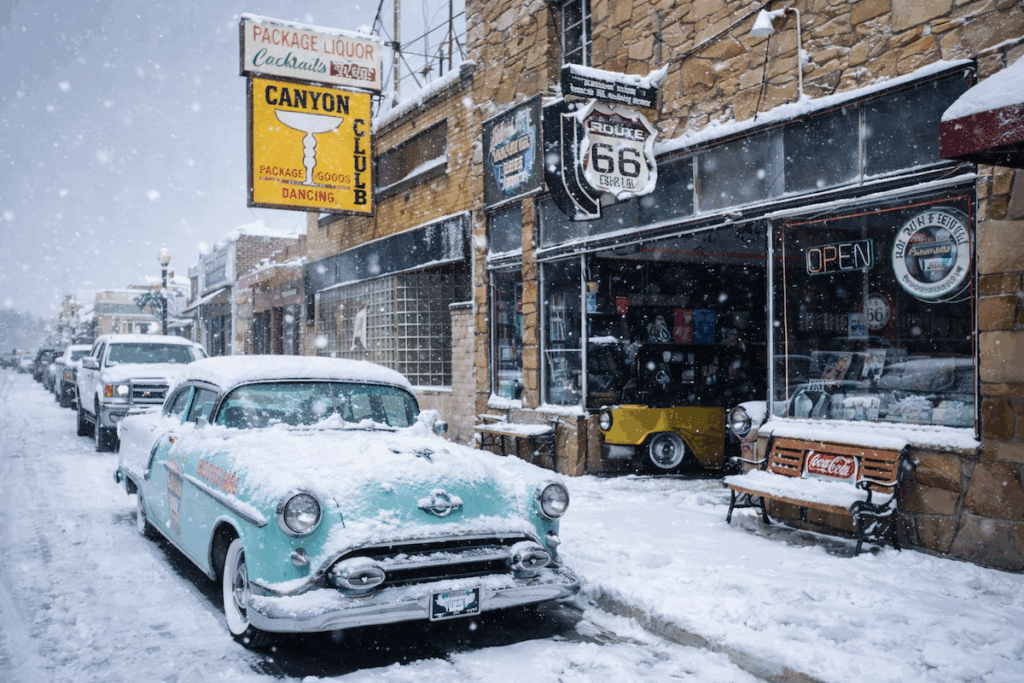
Known as the gateway to the Grand Canyon, Williams also sees regular snowfall and offers a quieter, small-town winter alternative to Flagstaff.
Best place to stay:
Historic Route 66 inns and nearby cabins provide a nostalgic winter base.
Don’t miss:
- Winter excursions on the Grand Canyon Railway
- Snow-covered Route 66 photo ops
- Access to Kaibab National Forest snow play areas
When snow is likely:
- Typical season: December through February
- Snowfall days per year: ~30–40 days
- While snow is common, it’s typically much lighter than Flagstaff.
Greer, Arizona in Winter
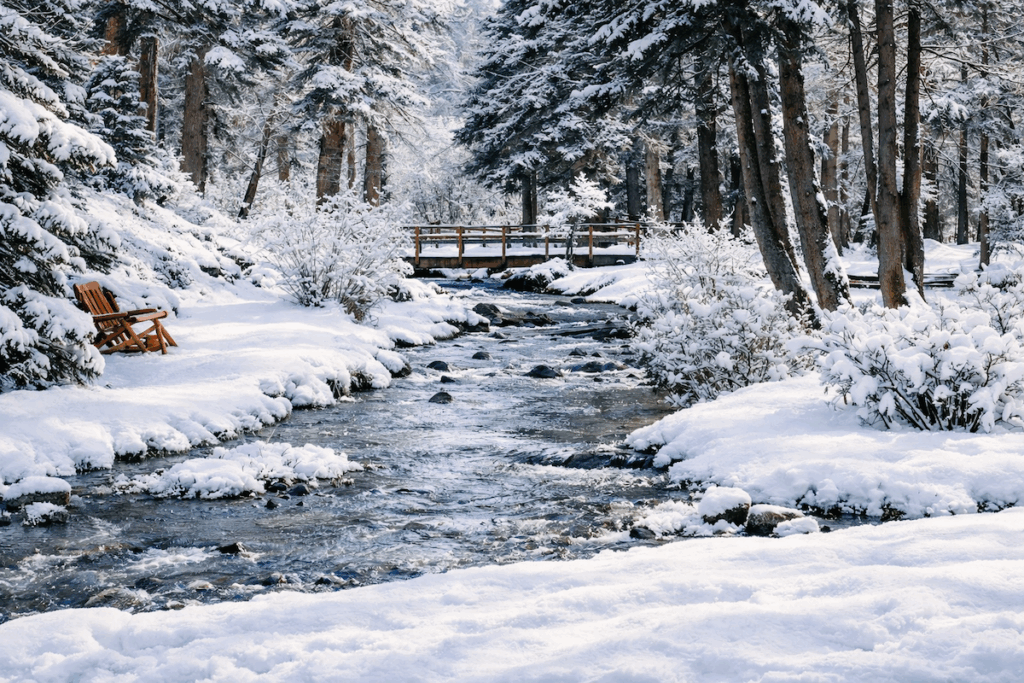
Greer feels like a classic alpine village, complete with log cabins, frozen lakes, and snow-covered meadows that feel far removed from the desert Southwest. Tucked into the White Mountains, this small, quiet community is one of Arizona’s most picturesque winter destinations, where snowfall transforms the landscape into a serene, storybook setting. Winter in Greer is less about crowds and more about slowing down…whether that means snowshoeing through tall pines, watching steam rise off a frozen stream, or simply enjoying the stillness of a true high-country winter.
Best place to stay:
Cabins and lodges throughout Greer offer secluded, storybook winter stays. Check out Airbnb.
Don’t miss:
- Cross-country skiing and snowshoeing
- Snowy sunrise views over the valley
- Quiet winter wildlife sightings
When snow is likely:
- Typical season: December through March
- Snowfall days per year: ~60+ days
- Snow lingers longer here due to elevation and shaded forest terrain.
Alpine, Arizona with Snow

Near the New Mexico border, Alpine is one of Arizona’s coldest towns and sees consistent snowfall. It’s ideal for travelers seeking solitude and true winter conditions.
Best place to stay:
Hannagan Meadow Lodge has been open to the public since 1926, it’s completely isolated, yet readily accessible, the Lodge offers guests quiet serenity and a peaceful getaway from the hustle of daily life.
Don’t miss:
- Snowy drives along the Coronado Trail
- Cross-country skiing and winter hiking
- Stark, quiet winter landscapes perfect for photography
When snow is likely:
- Typical season: December through March
- Snowfall days per year: ~50–60 days
- Temperatures stay colder here, helping snow remain on the ground longer.
Payson & the Mogollon Rim
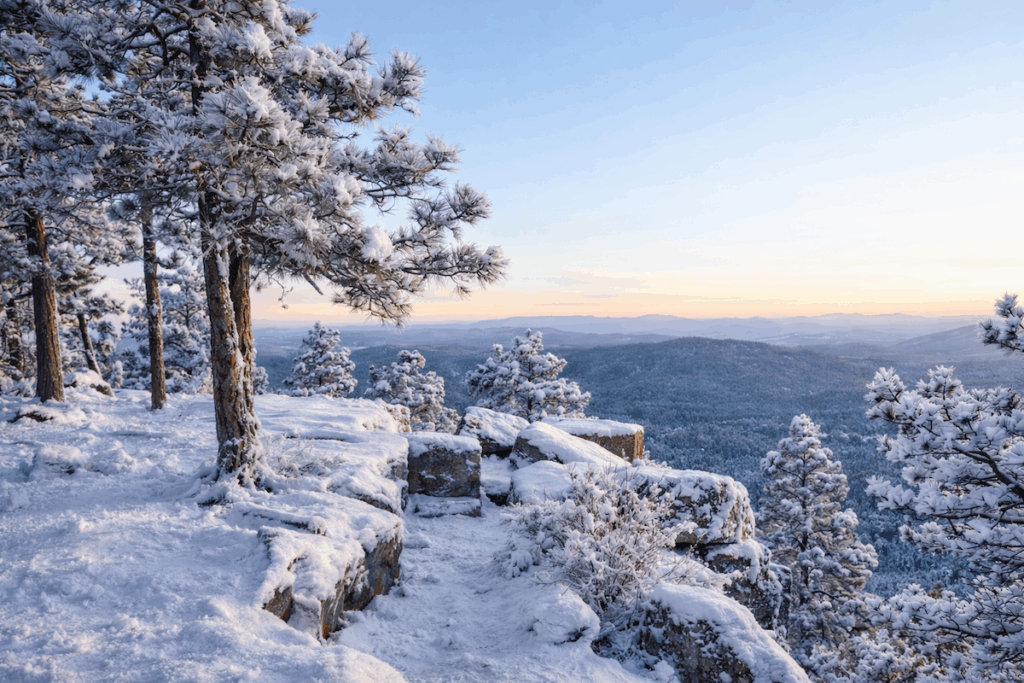
While Payson itself sits at a lower elevation, the Mogollon Rim rising just north of town frequently receives snowfall throughout the winter months. This dramatic escarpment marks the southern edge of the Colorado Plateau and delivers snow-dusted forests, sweeping overlooks, and cool mountain air without the need for extreme mountain driving. It’s an especially appealing option for families and casual winter explorers, offering easy pull-offs for snow play, short winter hikes, and panoramic views that feel distinctly alpine while remaining highly accessible.
Best place to stay:
Cabins near the Rim or lodges in Payson offer flexibility depending on weather.
Don’t miss:
- Snow play areas along Rim roads
- Canyon viewpoints dusted in white
- Winter hikes with expansive views
When snow is likely:
- Typical season: December through February
- Snowfall days per year: ~20–30 days at Rim elevation
- Conditions can change quickly; snow is often heavier just above town.
Grand Canyon (South Rim)
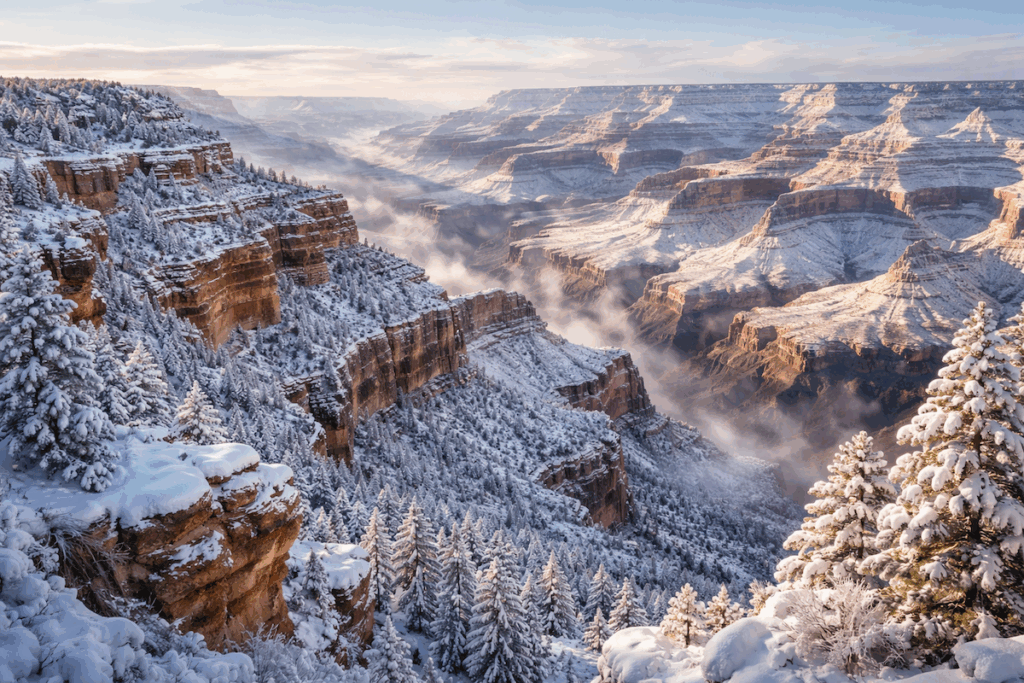
Seeing the Grand Canyon blanketed in snow is one of Arizona’s most striking winter experiences. Winter storms add contrast and clarity, and crowds are significantly lighter.
Best place to stay:
Unfortunately the Historic lodges inside Grand Canyon National Park are not well maintained and are very expensive, but the location is unparalleled. If you don’t mind driving in/out of the park, there is a small town just before the park entrance with more suitable and affordable options.
Don’t miss:
- Snow-lined rim walks with dramatic visibility
- Sunrise or sunset after a winter storm
- Winter photography without peak-season crowds
When snow is likely:
- Typical season: December through April
- Snowfall days per year: ~30–45 days
- Snowstorms can temporarily close roads, but conditions often clear quickly.
Final Thoughts
Snow in Arizona isn’t a fluke, it’s part of the state’s diverse winter personality. Whether you want a quick alpine escape like Mount Lemmon, a classic snow town like Flagstaff, or a lighter winter experience in Prescott, Arizona offers a surprising range of snowy destinations. If you’re lucky, you might even see a dusting of snow in Sedona, which really highlights the beauty of the Red Rocks.
Knowing where the Arizona snow islikely, how often it falls, and what to expect can turn a spontaneous winter drive into a memorable seasonal getaway—without ever leaving the state.